

Best NemoClaw Alternatives for Creators
Hello, Dora is coming. I got asked yesterday: "What should I use instead of NemoClaw?" And my first thought was, "Instead of what? It's not even out yet." But the question makes sense — people see the hype around NVIDIA's upcoming agent platform and want to know what works today. So here's the honest breakdown of alternatives that actually exist, how they compare, and who should wait versus act now.
Why You Are Looking for Alternatives
Nothing fully usable yet
NemoClaw is expected to be announced at GTC 2026 on March 16th. That's the announcement date, not the "download and use it" date. Even if NVIDIA drops a GitHub repo that day, it'll take months before the platform is production-ready for most teams. Early access is being offered to enterprise partners — Salesforce, Cisco, Google, Adobe — not solo creators or small teams.
So if you need workflow automation today, you're not looking for a NemoClaw alternative. You're looking for tools that already solve the problems NemoClaw promises to address: file organization, task automation, workflow orchestration.
What to evaluate in an alternative
Here's what NemoClaw is pitched to do: autonomous agents that execute multi-step tasks with enterprise-grade security, hardware-agnostic deployment, and built-in compliance tools. That's a high bar.
For video creators, the actual needs are simpler:
File sorting and metadata tagging (auto-rename, organize by project, extract timestamps)
Transcription routing (send files to Whisper, save results, notify team)
Multi-platform publishing (upload to YouTube, TikTok, Instagram, format captions)
Workflow chaining (trigger actions based on conditions)
If you want to see how these pieces actually connect in a real production pipeline, this OpenClaw + AI video workflow example shows how creators structure automation from script to final exports.
You don't need "enterprise-grade security with SOC 2 compliance." You need a tool that doesn't break, doesn't expose your credentials, and handles repetitive tasks reliably. That changes the evaluation criteria.
The Main Options
OpenClaw — strengths and limits
OpenClaw is the closest thing to NemoClaw that exists today. It's a community-driven, locally-running AI agent platform that automates workflows, integrates with chat platforms (WhatsApp, Telegram, Slack, Discord), and handles file operations.
Strengths:
Live and actively developed (280,000+ GitHub stars, daily commits)
Free and open source (MIT license)
Works on macOS, Windows, Linux, iOS, Android
Large community (Discord, Stack Overflow, GitHub issues)
Fast setup (10-15 minutes with Docker)
Limits:
Security issues (CVE-2026-25253, plaintext credential storage, no skill sandboxing)
February 2026 ClawHavoc attack compromised 9,000+ installations via malicious plugins
Admin-level system access by design (risky for client work or NDAs)
Maintenance burden (you're responsible for updates, backups, troubleshooting)
Better alternatives for security: NanoClaw (container-isolated OpenClaw fork), PicoClaw (lightweight), or managed services like ClawCloud that handle security for you.
Zapier or Make — mature but not video-native
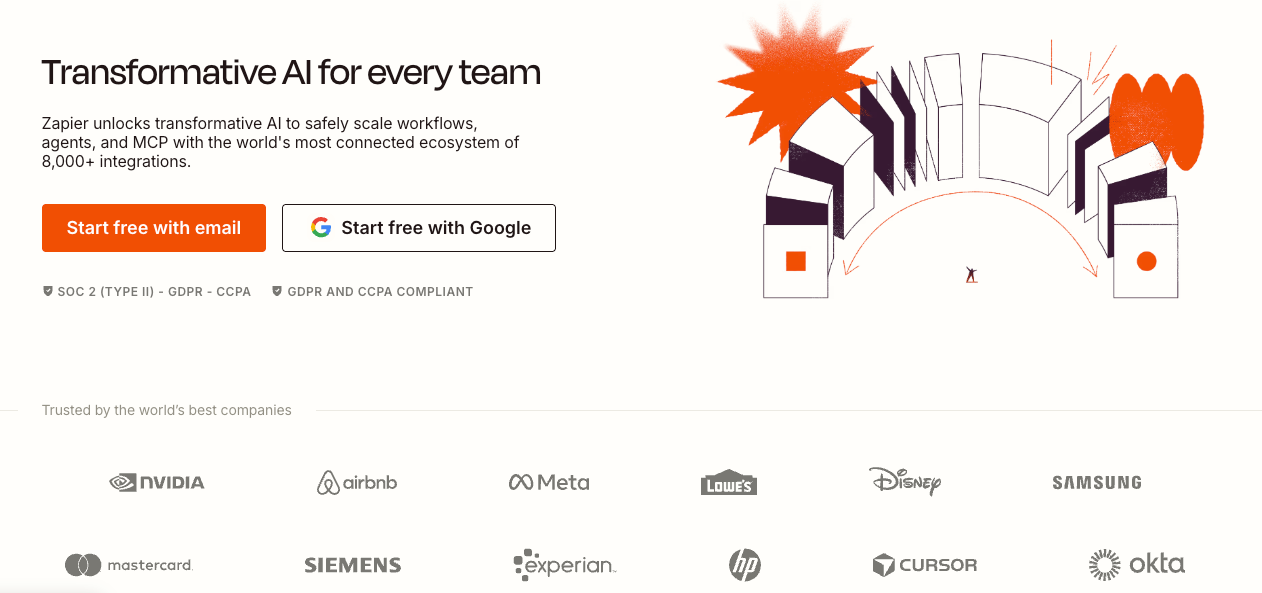
Zapier and Make (formerly Integromat) are the industry standards for workflow automation. They're not agent platforms — they're integration tools that connect apps and trigger actions based on events.
Zapier strengths:
8,000+ app integrations (largest ecosystem)
Dead simple for non-technical users ("when X happens, do Y")
Cloud-based, no infrastructure to manage
Stable and reliable (been around since 2011)
Zapier limits:
Expensive at scale ($20-$300+/month depending on task volume)
Limited customization (stuck with pre-built connectors)
Not designed for video workflows (you'll build workarounds)
Make strengths:
Visual workflow builder with advanced logic (routers, iterators, aggregators)
2,000+ integrations with better pricing than Zapier
AI workflow building and AI agents (beta features in 2026)
Better for complex multi-step automations
Make limits:
Steeper learning curve than Zapier
Still cloud-based (no local execution if that matters)
Per-operation pricing can get expensive with high-volume use
For video creators: both work well for connecting tools (Dropbox → Whisper API → Google Sheets → Slack). Neither is built specifically for video workflows, so you're stitching together generic automation steps.
n8n — control vs technical cost
n8n is the self-hosted, open-source alternative to Zapier. It gives you full control over infrastructure, data, and workflows — but you pay for that control in setup and maintenance time.
Strengths:
Open source (Apache 2.0, fair-code model)
Self-hosted (your data stays on your servers)
400+ integrations, visual workflow builder
Code fallback (write custom JavaScript or Python when needed)
No per-task pricing (flat fee for cloud hosting, or free if self-hosted)
Limits:
Requires Docker, basic server knowledge, and ongoing maintenance
Smaller integration library than Zapier or Make
Debugging workflows can be time-consuming
Not beginner-friendly (expect 2-5 hours setup, then troubleshooting)
According to n8n's 2026 AI workflow automation guide, the platform now supports AI agents, LLM integrations, and custom code execution — features that overlap with what NemoClaw promises. But you're building and maintaining it yourself.
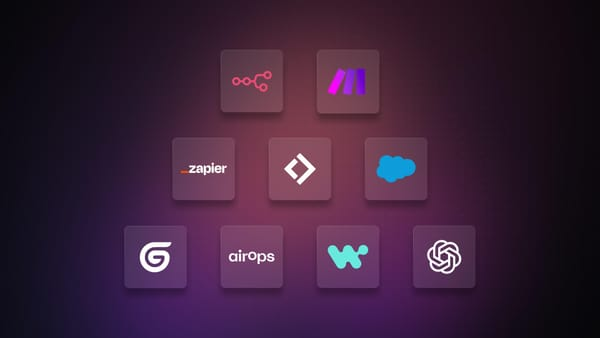
For video creators: n8n works if you're comfortable with Docker and don't mind being your own IT department. If that sounds exhausting, stick with managed services.
Honest Comparison Table
Tool | Status | Setup Effort | Best For |
OpenClaw | Live, actively developed | Medium (Docker, 10-15 min) | Developers comfortable with security trade-offs |
NanoClaw | Live (OpenClaw fork) | Medium (Docker, container setup) | Security-conscious users who want local execution |
Zapier | Mature, stable | Low (5 min, no-code) | Non-technical users, quick integrations |
Make | Mature, expanding AI features | Low-Medium (visual builder) | Power users needing advanced logic |
n8n | Mature, self-hosted focus | High (Docker, server setup) | Teams wanting data sovereignty and control |
NemoClaw | Pre-launch (expected March 16) | Unknown (6-12 months to usability) | Enterprise teams with compliance needs |
Who Should Wait vs Act Now
Enterprise teams
Wait for NemoClaw if:
You're handling client NDAs, regulated content, or compliance-critical data (GDPR, HIPAA, SOC 2)
You need vendor support, SLAs, and enterprise-grade security
You're deploying agents across 10+ teams at scale
Budget exists for enterprise licenses and managed infrastructure
Act now with enterprise alternatives if:
You need a proof-of-concept before committing to platforms
Your security team can validate and harden existing tools (like self-hosted n8n or Workato)
You're piloting agent workflows on non-sensitive data
Small teams and solo creators
Act now — don't wait:
NemoClaw is targeting enterprise partners, not solo creators
The workflows you need (file sorting, transcription, task chaining) already work with existing tools
6-12 month wait for NemoClaw means 6-12 months of manual work
Use OpenClaw (or NanoClaw) if:
You're comfortable with Docker and terminal commands
Security risk is manageable (personal data, not client work)
You have time to troubleshoot when things break
Use Zapier or Make if:
You're not technical and want it to "just work"
You value stability over customization
You're okay paying $20-$100/month for managed service
Use n8n if:
You need data sovereignty (can't use cloud tools)
You have basic server/Docker skills
You want to avoid per-task pricing
I'm using NanoClaw for personal automation (file sorting, transcription routing, Slack notifications). It took 3 hours to set up and another hour fixing channel conflicts, but it works. I'm not waiting for NemoClaw.
If you're handling client work or compliance-critical content, wait for enterprise-ready tools or use managed services with proper security. If you need automation today and you're working with your own content, build it now with OpenClaw, Zapier, Make, or n8n.
The workflows NemoClaw promises to automate — file organization, task execution, multi-step processes — already exist in these tools. NemoClaw might make them more secure and easier to deploy at enterprise scale, but it won't invent them.
Build your automation today. Upgrade to NemoClaw later if it's actually better. If you're building automation around video content, it also helps to structure publishing and testing. A simple AI content calendar workflow can keep production consistent while your automation handles the repetitive tasks.