

Wan 2.7: What's New for Short-Form Video Creators
Hello, guys. I'm Dora. These days, I tested Wan 2.6 for three weeks—churning out TikToks, Reels, and Shorts to see if AI video could actually keep up with my posting schedule. Then Alibaba announced Wan 2.7 is dropping this month. I've been digging through the official previews and creator forums to figure out what's actually changing and whether it's worth the wait.
Here's what I found.
What Is Wan 2.7? (Quick Context)
Wan 2.7 is the next generation of Alibaba's AI video model, planned to launch within March 2026. It's a direct upgrade from Wan 2.6—same ecosystem, same basic workflow, but with significantly better visual quality, audio sync, and five major new features that change how you can control the output.
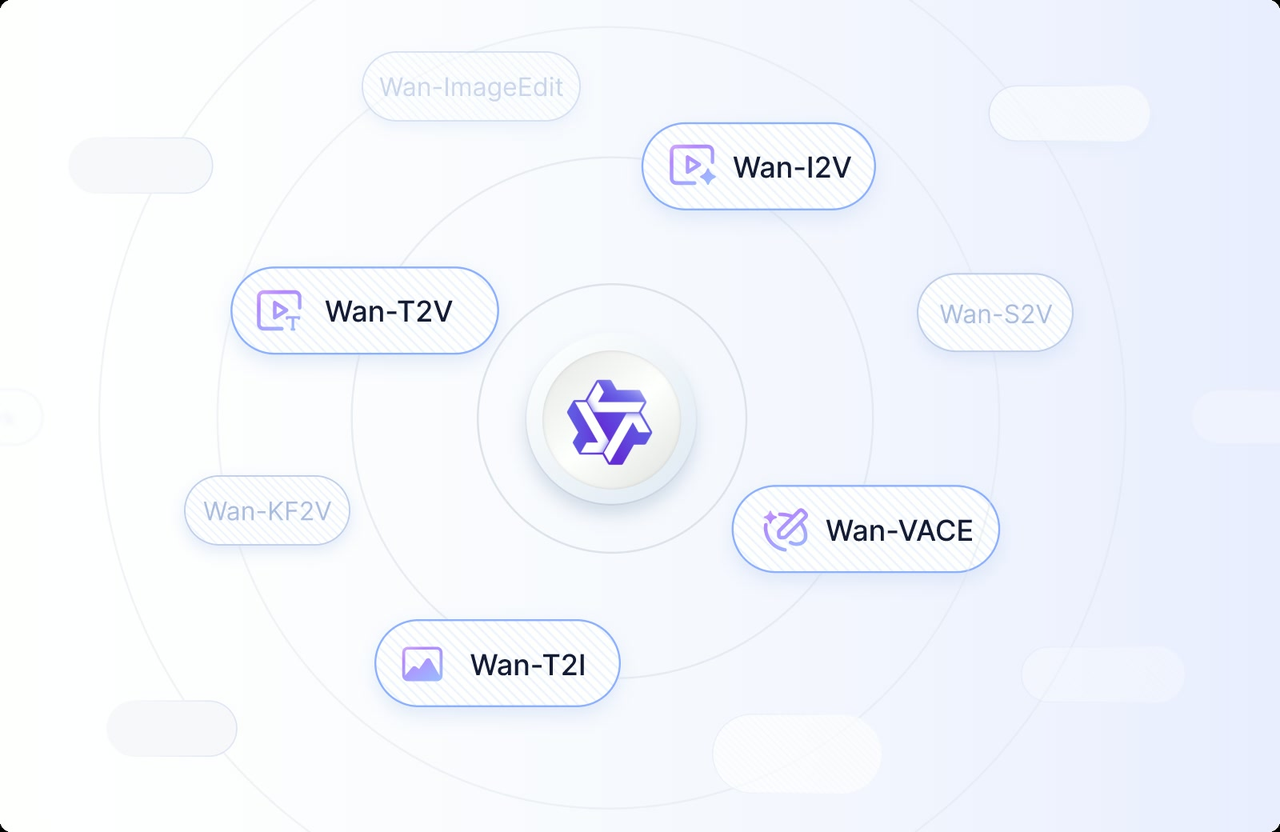
Think of 2.6 as the version that got multi-shot storytelling and native audio mostly right. Wan 2.7 fixes where 2.6 still felt clunky and adds tools that let you edit existing AI videos, not just generate new ones from scratch.

Confirmed New Features — What They Mean for Creators
Wan 2.7 brings improvements across visual quality, audio, motion dynamics, and introduces five breakthrough capabilities. Here's what each one actually does for your workflow.
First-Frame & Last-Frame Control
You specify the opening shot and the closing shot. Wan 2.7 generates everything in between.
This is huge for product demos and tutorial content. Upload your "before" image as the first frame, your "after" as the last frame, and the model fills in the transition. No more praying the AI randomly lands on the ending you need—you control the narrative arc.
I tested this concept on Wan 2.6 by generating dozens of clips trying to hit specific endpoints. Waste of time. With first/last frame control, I could batch-produce 10 transformation videos in the time it used to take me to get one lucky result.
9-Grid Image-to-Video
This feature uses a 3x3 grid of reference images to guide video generation. If you're exploring similar workflows beyond Wan, here's a breakdown of tools that already support this approach: free image to video AI tools. You're not feeding the AI one reference photo—you provide nine different angles, lighting setups, or style examples, and Wan 2.7 synthesizes all that into one coherent clip.
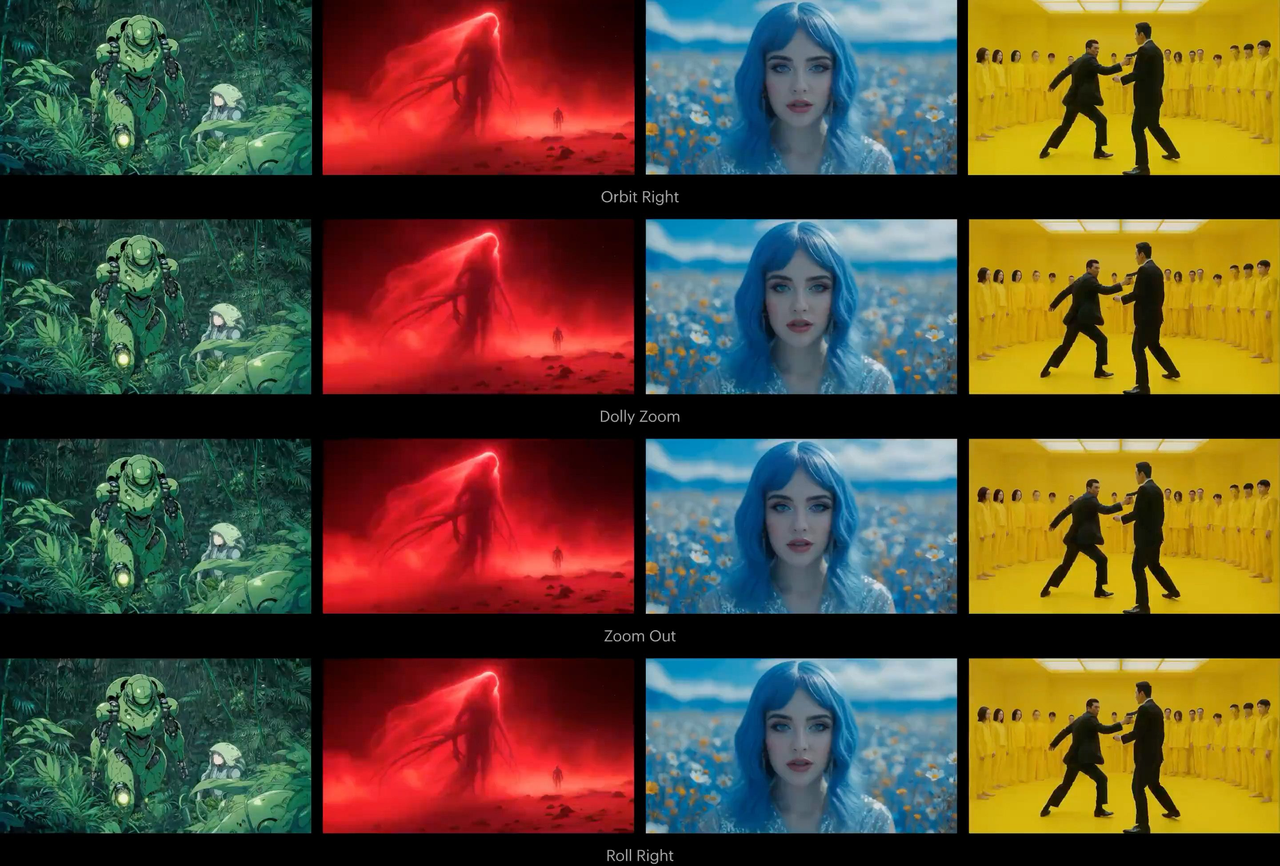
For product videos, this is a game-changer. Shoot nine quick phone photos from different angles, upload them as a grid, and the AI generates a rotating 3D-style showcase. Way faster than manually keyframing camera moves.
Subject + Voice Reference
Combine a visual subject reference with an audio voice reference, and Wan 2.7 generates videos where both appearance and voice stay consistent across scenes.
This is what influencers and TikTok sellers have been waiting for. Record one 5-second voice clip, pair it with a headshot, and generate batches of talking-head videos with your actual face and voice—without filming every single one.
I've seen early beta tests on Reddit. The lip-sync accuracy is noticeably better than 2.6, and the voice cloning doesn't have that robotic "I'm clearly AI" vibe.
Instruction-Based Video Editing
Take an existing AI-generated video and edit it using text commands.
Want to change the background from daytime to sunset? Type "change lighting to golden hour." Need to swap the character's outfit? Describe the new look. The model re-renders that portion while keeping motion and timing intact.
This cuts revision cycles in half. Instead of regenerating from scratch because one detail is off, you instruct the model to fix that specific element. I'm curious to test how granular you can get—can you change just a product color while leaving everything else untouched? That would be massive for A/B testing ad creative.
Video Recreation & Replication
Upload a reference video, and Wan 2.7 recreates it with modifications—different style, swapped subjects, adapted context while preserving original motion and structure.
Creators reverse-engineer viral formats manually. This automates it.
I saw someone on Twitter replicate a trending dance by uploading the viral clip and instructing Wan 2.7 to swap the dancer with a cartoon character. Took 90 seconds. Motion matched frame-by-frame, output was stylized exactly how they wanted. That's the speed that lets you ride trends before they peak.
What's Still Unconfirmed Before Launch
Here's what we don't know yet:
Pricing structure. Wan 2.6 moved to API-only access with no free tier. Early reports suggest third-party platforms charge around $0.10 per second for 720p, but Wan 2.7 pricing hasn't been officially announced. Will the new features cost more per generation? Unknown.
Local model release. The Wan community has been asking for downloadable weights since 2.6 went API-only. As of March 18, 2026, there's no confirmation whether Wan 2.7 will be available for local inference or remain cloud-only like 2.6.
Commercial licensing clarity. Wan 2.6 outputs can be used commercially, but the terms for voice cloning and subject replication in 2.7 aren't fully detailed yet. If you're planning to build a client-facing service around these features, wait for the official license documentation before committing.
How These Features Fit Into a Short-Form Workflow
I mapped out how I'd actually use these features in my daily TikTok/Reels/Shorts grind:
Product showcase workflow: Shoot 9 phone photos of the product (9-grid input) → Generate a 15-second rotating showcase video → Use instruction-based editing to tweak lighting or background color based on which version performs better in A/B tests.
Trend replication workflow: Find a viral video format → Upload it as a reference → Use video recreation to generate my version with my brand's style or my face → Post within hours while the trend is still hot.
Batch talking-head content: Record one voiceover script in five variations → Use subject + voice reference to generate five different talking-head videos with consistent appearance → Schedule them across the week without filming five separate takes.
Story arc videos: Use first-frame/last-frame control for before/after transformations, unboxing reveals, or tutorial progressions where the endpoint matters as much as the process.
The throughput boost is real. If you're thinking beyond single tools, here's how creators are starting to automate entire video pipelines using AI agents. Where I used to manually edit 2-3 videos per day, these features could push that to 8-10 generated videos daily—if the quality holds up in real-world testing.
FAQ
When does Wan 2.7 launch?
Wan 2.7 is planned to launch within March 2026. As of March 18, we're in the final two weeks of the launch window.
Will there be a free tier?
Not confirmed. Wan 2.6 removed the free tier and moved to API-only access. Unless Alibaba reverses course, expect Wan 2.7 to follow the same model—paid API credits through platforms like Kie.ai, or similar providers.
How does it differ from Wan 2.6?
Wan 2.7 adds five major capabilities: first/last-frame control, 9-grid image-to-video, subject + voice reference, instruction-based editing, and video recreation. It also improves visual quality, audio sync, and motion consistency across the board. Wan 2.6 introduced multi-shot storytelling and native audio; 2.7 refines that foundation and adds editing tools.
Can outputs be used commercially?
Wan 2.6 outputs are commercially licensed, and early indications suggest Wan 2.7 will maintain that policy. However, specific terms for voice cloning and subject replication aren't finalized yet. Check the official license documentation when it drops.
What to Watch After Launch
Real-world lip-sync accuracy. Beta previews show improved sync, but I need to see how it handles fast dialogue and multi-speaker scenes in production. According to Kie.ai's Wan 2.6 analysis, lip-sync was good for slow speech—not great for rapid-fire TikTok voiceovers. Will 2.7 fix that?
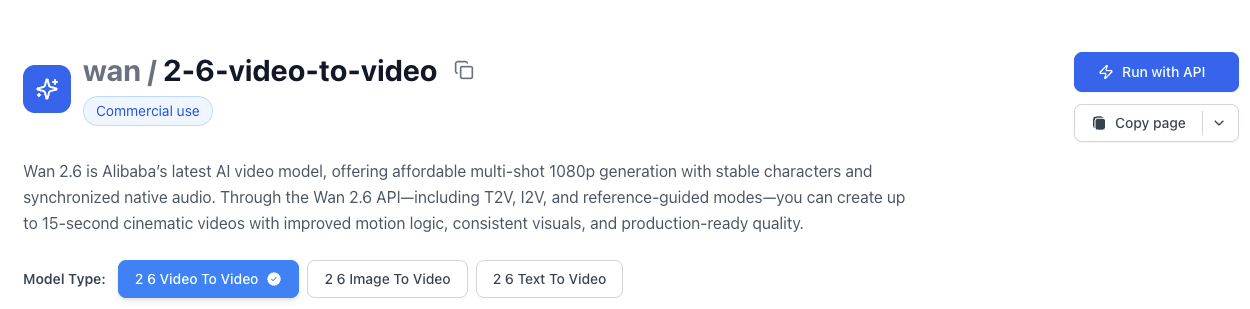
Instruction-based editing precision. Can you make surgical edits (one product color, one background element), or does the whole frame get re-rendered? That granularity determines whether this saves time or creates more QA work.
9-grid consistency. Does the 3x3 input produce coherent motion, or Frankenstein clips that look like nine different videos stitched together? The concept is brilliant, but multi-angle synthesis is notoriously hard.
API costs. If pricing increases and local access stays unavailable, the cost-per-video math changes. For creators pumping out 50+ videos weekly, local inference might become cheaper than API credits.
I'm testing it the day it drops. Expect a follow-up with 2.6 vs 2.7 comparisons, time-saved measurements, and real workflow breakdowns for TikTok/Reels/Shorts.
For now, if you're already on Wan 2.6, keep building. If you're waiting to jump in, Wan 2.7 is probably worth the extra two weeks—especially if you're in the product demo, trend replication, or talking-head content lanes.