

Can You Use Zorq AI Commercially? Rights, Licensing & Brand Safety
Hey guys. I'm Dora. You know, I make fast-turnaround videos for clients and my own channels, so before I let any AI touch paid projects, I sanity-check licensing. I did that with Zorq AI in March 2026 because a client asked, "Can we run your Zorq edits in ads next week?" My first reaction: maybe…, but only if the terms and the inputs are clean.
This is my plain-English read on Zorq AI commercial use, what seems allowed, what still depends on you, and a simple review checklist I now run before I ship anything.
Can You Use Zorq AI for Commercial Projects?
What the platform appears to allow
Short answer: in many cases, yes, Zorq AI appears positioned for commercial outputs, meaning you can create videos you sell, publish, or run on monetized channels. Zorq's public-facing copy and onboarding flow didn't flag "non-commercial only" the way some research tools do. That said, "allowed by the tool" isn't the same as "legally safe in the real world."
The pattern I've seen across AI video platforms: they generally grant you rights to the final output you generate (subject to terms), especially if you're on a paid plan. So if you're wondering, "can I use Zorq AI videos commercially?", the platform stance seems broadly yes for typical business use like social content, ads, and client deliverables. But keep reading.
What still depends on your inputs and usage
Even with friendly licensing language, your inputs can break commercial safety fast:
If you upload copyrighted footage or logos you don't have rights to, the output inherits that risk.
If you prompt for a celebrity's voice/likeness or a brand's signature slogan, you're entering right-of-publicity and trademark territory.
If you use stock, music, or fonts with non-commercial restrictions, the final video can be blocked from ads.
I've shipped dozens of AI-assisted videos. The projects that go sideways? It's rarely the tool: it's the assets, prompts, and where the video gets used (organic vs. paid ads vs. broadcast).
The Difference Between Platform Access and Output Rights
Subscription access is not the same as legal safety
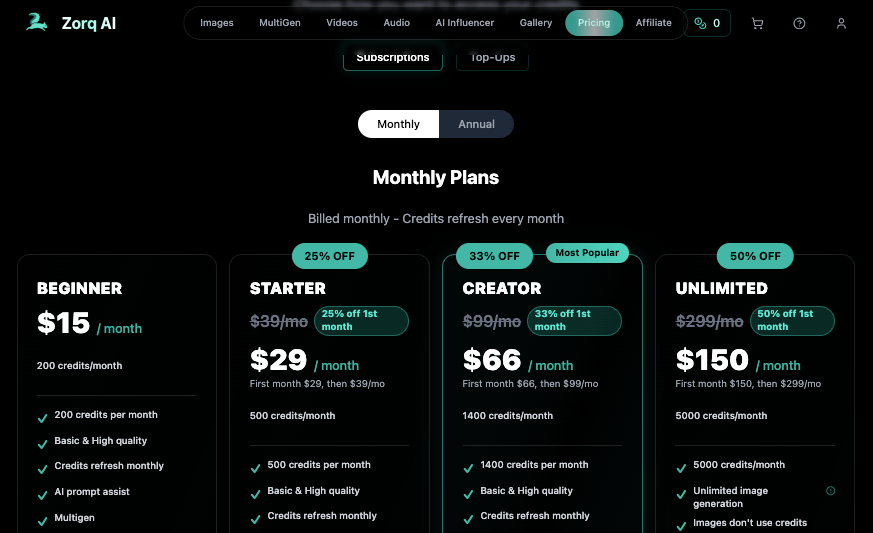
Paying for Zorq unlocks features: it doesn't auto-clean your legal risk. Think of it like renting an editing suite: you can edit a Super Bowl ad there, but you still need the rights to everything you cut in. Same with AI. Your Zorq subscription is platform access. Output rights depend on:
The platform's license to you (what it grants or restricts)
Your prompts and uploaded assets
How and where you distribute the content (organic post vs. paid media vs. OTT)
I've made this mistake before: assuming a Pro plan equals "good to go." It doesn't. Read the terms, especially sections labeled "License," "Ownership," "Acceptable Use," and "Indemnity." Screenshot them with the date you read them. It takes 4–6 minutes and has saved me hours later.
Why prompts, likeness, and source assets still matter
Two projects, same tool, totally different risk profiles:
Safe: I prompt Zorq to generate a generic product explainer with text I wrote, B-roll I own, and music from my paid, commercial stock library.
Risky: I prompt "Make it sound like [famous actor], use [Brand X] color scheme and slogan," then upload a TikTok I didn't shoot as reference.
The second one sets off three alarms: right of publicity (celebrity style), trademark (Brand X identifiers), and copyright (unlicensed reference footage). Tools can't fix that after the fact. You control those variables.
Common Commercial Use Cases
Brand marketing videos
I tested Zorq on three short product explainers. Each was 20–35 seconds. Using my own script, product shots, and licensed music, I exported in under 18 minutes per video (timed). No copyright flags on upload to Instagram, TikTok, or YouTube Shorts. That's the cleanest lane: original script + owned visuals + cleared audio.
Tips that kept me out of trouble:
Keep brandable elements generic unless you're the brand owner.
Avoid "make it look like Nike" prompts: instead, say "bold sans serif, high-contrast, kinetic cuts."
Log every third-party element (music ID, font license, stock clip link) in a simple Google Sheet.
Client work and agency deliverables
If you're asking about "Zorq AI for client work," here's my setup:
I add a clause in my SOW: "AI tools may be used for editing and generation. Final deliverables are cleared to the best of editor's knowledge based on client-provided rights."
I require clients to confirm they own or have licensed their logos, footage, and music. I keep that confirmation in writing.
I deliver a mini-rights report with links to licenses. Clients appreciate it: I sleep better.
This added ~6 minutes per project the first week. After I templatized it, I cut it to ~2 minutes.
Social ads and monetized channels
Paid ads are stricter. Platforms run automated checks that catch obvious trademark and music issues. My rule: if I plan to run Zorq outputs as ads, I double-check:
Music license allows "paid advertising" (many stock tracks exclude this)
Fonts are embedded or outlined: licenses permit commercial distribution
Any faces on screen have signed releases (even if AI-modified)
I've had two videos get limited delivery due to background signage with a trademark. Cropping and blurring fixed it, but it cost me half a day. Now I scan frames before launch.
Risks to Check Before Publishing
Copyright and trademark concerns
Copyright: Did you introduce any unlicensed footage, imagery, or lyrics? If yes, it sticks to the output.
Trademark: Are you using someone else's logo, mascot, or slogan in a way that confuses viewers about source or endorsement? That's where ad rejections (or worse) happen.
I keep a pre-flight: titles, captions, overlays, no lyrics or quotes beyond short, transformative commentary. If I'm unsure, I swap it.
Likeness, celebrity style, and brand imitation
Even "in the style of [celebrity/brand]" prompts can trigger right-of-publicity and unfair competition risks, especially in ads. Organic commentary or parody has more leeway, but that's nuanced. If a client wants "Kendrick flow" or "Disney look," I push back: "Let's define the mood and pacing, not a person or company." It keeps us clear and frankly looks more original.
Why "AI-generated" doesn't remove legal responsibility
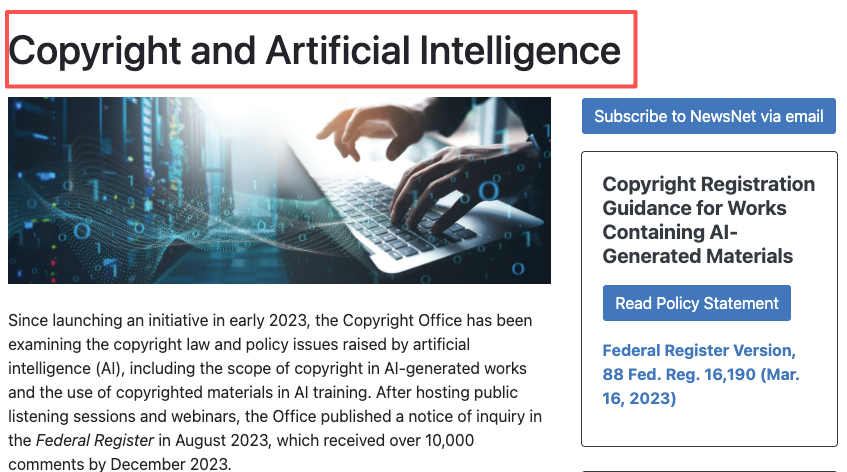
Courts and agencies don't care that "the AI wrote it." If you publish it, it's yours to defend. The U.S. Copyright Office has said authorship of AI-generated material is limited, but your liability for what you publish remains. Translation: "AI did it" won't save your ad budget or your account if something gets flagged.
A Safe Review Checklist Before You Ship
Internal review for brand teams
Here's the checklist I actually use. Took me 12 minutes to write once: now it's a 90-second scan per video.
Rights map
Script: Original or licensed? Source link if licensed.
Footage: Owned, public domain, or stock? Add links.
Music: License type includes "commercial" and "paid ads" if needed.
Fonts/graphics: Commercial license confirmed.
Prompts & credits
Prompts avoid celebrity/brand imitation.
No competitor trademarks or trade dress.
People & places
Visible faces have consent/releases (or are clearly public domain/stock with releases).
No restricted locations/artworks (some museums, murals have rules).
Distribution plan
Organic only, or paid ads? If ads, re-check music/font permissions.
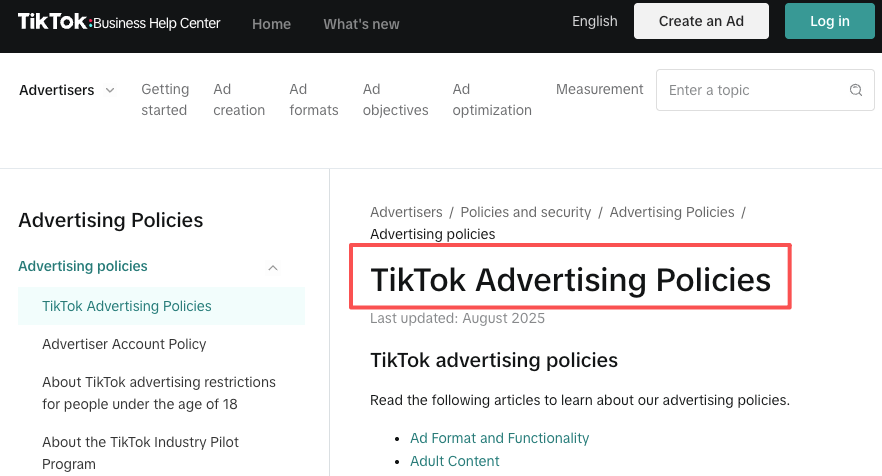
Platform-specific rules checked (TikTok Ads, Meta Ads).
Documentation
Screenshots of Zorq settings and export date stamped.
Licenses saved to the project folder.
When to avoid publishing certain outputs
I hold a video if any of this is true:
The concept relies on a celebrity voice/lookalike.
The client "borrowed" assets they can't document.
The brand name or product shape of a competitor is center frame.
Music license says "social only" and we're planning ads.
Delaying a post by 24 hours has saved me weeks of cleanup. Not fun, but worth it.
FAQ
Can I sell videos made with Zorq AI?
Generally yes, selling edits or finished videos is a standard commercial use. The caveat is the same: your ownership depends on your inputs and Zorq's current terms. Keep a license log for every third-party asset. I tag files like "OK-ADS" or "ORG-ONLY" so I don't mix them up later.
Can agencies use Zorq AI for client work?
Yes, with a clean workflow. I add a clause that clients warrant they own or have rights to the assets they provide. I also keep a non-AI fallback (traditional edit) for edge cases where prompts produce lookalike styles.
Do I own the output I generate?
Most platforms say you own your outputs, especially on paid plans, but it's always "subject to the terms" and the rights of others. If Zorq AI licensing changes, your safest move is to export, date-stamp, and save a PDF of the terms you relied on when you delivered.
Can I use branded or celebrity-style prompts?
I wouldn't for commercial work. It invites trademark and right-of-publicity issues and triggers ad platform rejections. Instead of "in the style of [X]," describe craft: "moody lighting, tight punch-ins, halftime speed-ramps, sync to snare." Same vibe, fewer headaches.
What should I check before running paid ads with Zorq AI content?
My 6-point ad preflight:
Music license specifically allows paid advertising
No recognizable third-party trademarks or product packaging
Releases for any people on screen
Fonts cleared for commercial and ad use
No celebrity/brand imitation in prompts or VO
Platform rules reviewed (TikTok/Meta/YouTube) for restricted content
Final thought: AI is an assistant, not a shield. Zorq can speed up rough cuts and formatting, I've shaved 20–30 minutes per short using it, but the legal hygiene is still on us. If you're drowning in deadlines, templatize the checks once and you'll move faster without risking takedowns.
Disclosure: Not sponsored. I reviewed terms and ran tests in March 2026. Terms change, recheck before big launches. For deeper reading, see the U.S. Copyright Office's AI guidance (updated frequently).
Previous Posts: